Heart-health supplements should be evaluated ingredient by ingredient rather than as a single category. Omega-3 fish oil, vitamins, minerals, and botanical ingredients have different evidence, doses, and safety considerations. A heart-related claim on the front label is not enough to judge a formula.
Start with omega-3s
Omega-3 fatty acids are among the most widely studied ingredients used in heart-focused supplements. The main long-chain omega-3s in fish oil are EPA and DHA. When comparing fish-oil products, look at the actual milligrams of EPA and DHA per serving rather than only the total milligrams of “fish oil.”
Research on omega-3s is nuanced. EPA and DHA can affect blood triglyceride levels, but evidence for other cardiovascular outcomes varies by dose, population, diet, and whether the omega-3s come from food or supplements. A consumer supplement should not be interpreted as a treatment for cardiovascular disease.
Food sources still matter
Fish and seafood provide EPA and DHA along with protein and other nutrients. For many people, dietary patterns that include fish, vegetables, fruits, whole grains, legumes, nuts, and other nutrient-dense foods are more informative for overall cardiovascular wellness than focusing on one capsule.
What about other heart-supplement ingredients?
Products marketed for heart health may include magnesium, CoQ10, plant sterols, B vitamins, antioxidants, or botanical extracts. Each has a different evidence base. A multi-ingredient formula should not borrow the evidence for one ingredient and apply it automatically to the entire product.
How to compare labels
- For fish oil, check EPA and DHA separately.
- Check serving size. The listed amount may require multiple softgels.
- Review other active ingredients and their individual amounts.
- Consider interactions. Omega-3s and other ingredients may matter for people using anticoagulants or other medications.
- Avoid disease-treatment language. Supplements should not promise to prevent heart attacks, reverse cardiovascular disease, or replace prescribed therapy.
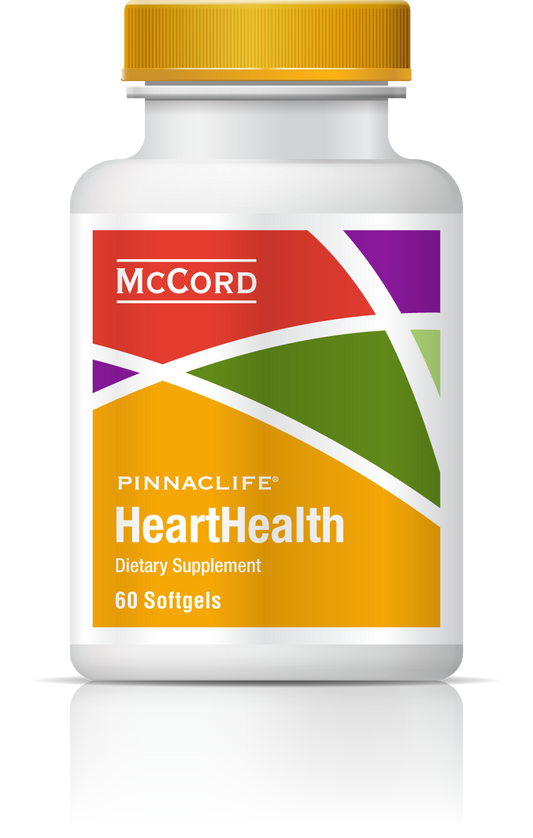
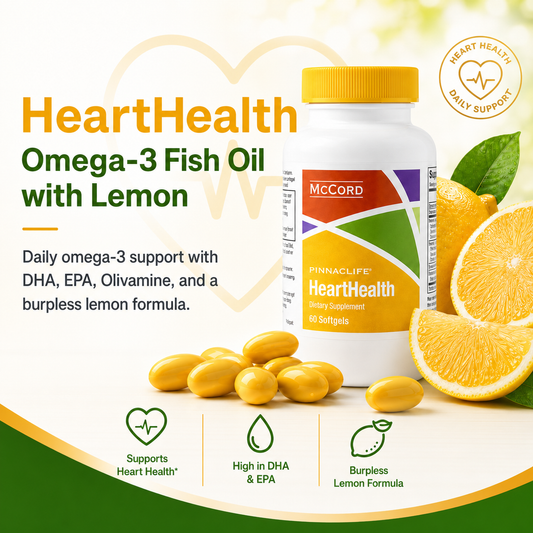
McCord Health HeartHealth
Review the current Supplement Facts panel for HeartHealth to see the exact omega-3 and other ingredient amounts in the formula. You can also browse the Sleep, Heart & Joint Health collection.
Bottom line
For heart-focused supplements, transparency matters. Compare the specific ingredients and doses, look for human evidence relevant to those ingredients, and consider the supplement in the context of diet, medications, and professional care.
Sources and further reading
- National Institutes of Health Office of Dietary Supplements: Omega-3 Fatty Acids fact sheet.
- U.S. Food and Drug Administration guidance on dietary-supplement claims and labeling.
This article is for general educational purposes and is not medical advice. Dietary supplements are not intended to diagnose, treat, cure, or prevent disease. Talk with a qualified healthcare professional if you have cardiovascular disease, take medications, are pregnant or nursing, or are considering a new supplement.