Vitamins and minerals are essential to normal immune function, but that does not mean taking more of them makes immunity endlessly “stronger.” The useful question is whether your diet and supplement routine provide adequate amounts of nutrients involved in normal immune processes without creating unnecessary excess.
Nutrition and normal immune function
The immune system depends on many nutrients. Vitamins A, C, D, E, B vitamins, zinc, selenium, copper, iron, and other nutrients participate in normal cellular and immune functions. Deficiency in certain nutrients can impair normal immune responses, which is one reason adequate nutrition matters.
For people who already meet their nutrient needs, however, adding high supplemental doses does not automatically translate into better protection from illness. Evidence varies by nutrient, population, baseline status, and health condition.
What should you look for on an immune supplement label?
- Ingredient amount: Check the actual quantity per serving, not only the marketing claim.
- Percent Daily Value: Use %DV as a comparison tool, remembering it is not a personalized requirement.
- Ingredient overlap: Multivitamins, fortified foods, and separate immune formulas may provide the same nutrients.
- Upper limits: More is not always better, particularly for minerals and fat-soluble vitamins.
- Other ingredients: Botanical extracts and specialty ingredients should be evaluated separately from essential vitamins and minerals.
Can vitamin supplements prevent infections?
That is too broad a conclusion. Dietary supplements should not be marketed as preventing or treating infectious disease unless a claim is specifically authorized under applicable law. A more accurate interpretation is that adequate intake of essential nutrients supports the normal functioning of the immune system.
Food still matters
Supplements can help fill certain nutritional gaps, but they do not replace a varied diet. Fruits, vegetables, whole grains, legumes, protein foods, and other nutrient-dense foods provide combinations of vitamins, minerals, fiber, and bioactive compounds that a capsule cannot fully reproduce.
Compare McCord Health formulas
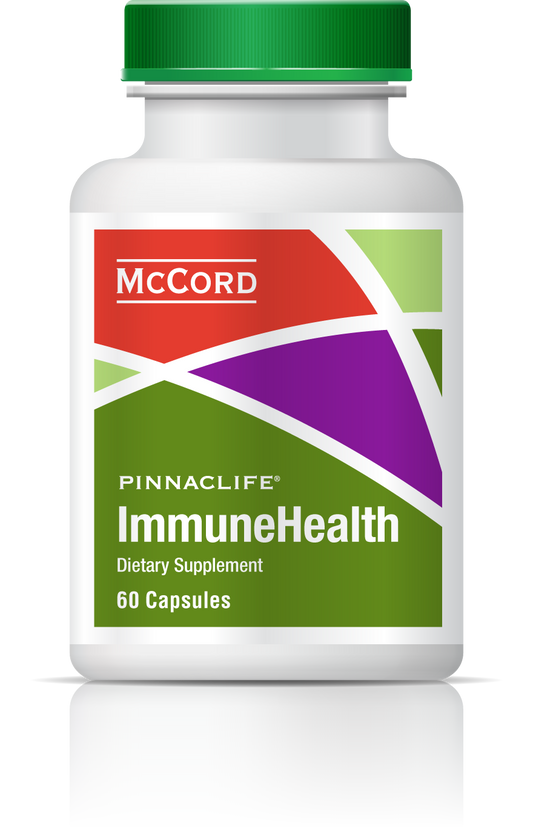
Review the Supplement Facts panel for ImmuneHealth to see its exact ingredients and amounts. For other targeted options, browse the Digestive & Immune Support collection or all McCord Health supplements.
Bottom line
Vitamins and minerals are important for normal immune function. The goal is adequate intake—not indiscriminate megadosing. Use the label, your overall diet, and individual health considerations to decide whether a supplement makes sense.
Sources and further reading
- National Institutes of Health Office of Dietary Supplements: Dietary Supplements for Immune Function and Infectious Diseases.
- U.S. Food and Drug Administration guidance on structure/function and disease claims for dietary supplements.
This article is for general educational purposes and is not medical advice. Dietary supplements are not intended to diagnose, treat, cure, or prevent disease. Talk with a qualified healthcare professional if you have a health condition, take medications, are pregnant or nursing, or are considering a new supplement.