Fresh green olives and leaves on a branch illuminated by warm golden light against a soft sage background, evoking natural wellness and longevity.

Olive Polyphenols and Biological Aging: What 2026 Research Says

Your Cells Age Differently Than Your Calendar, and Science Can Now Measure It

You have a birthday every year, but your cells don't follow the same schedule. The gap between chronological age and biological age is no longer a philosophical concept. Epigenetic clocks, tools that read chemical tags on your DNA, can now quantify how quickly your body is actually aging.

One of the most responsive of these tools is DunedinPACE. Unlike older biological age estimates that give you a static number, DunedinPACE measures how fast you are aging right now. That distinction matters because it makes DunedinPACE sensitive to changes in diet, lifestyle, and supplementation over relatively short timeframes.

Researchers are now using these clocks to test whether olive polyphenols can slow biological aging. A multicenter trial led by the University of Barcelona, published in February 2026, tracked 4,800 adults aged 55 to 80 over three years. Among those consuming extra virgin olive oil (EVOO), epigenetic aging markers slowed by an estimated 0.8 biological years. That is a measurable shift, and it moves olive polyphenols from kitchen staple to serious longevity research.

What Are Olive Polyphenols — And Why Not All Olive Oils Are Equal

Olive polyphenols are a family of plant compounds found in olives, olive oil, and olive leaves. The four most studied are hydroxytyrosol, oleuropein, oleocanthal, and tyrosol. Each has a distinct evidence profile. Hydroxytyrosol is the most researched for oxidative stress protection. Oleuropein shows cardiovascular and metabolic effects. Oleocanthal has drawn attention for its anti-inflammatory properties. Tyrosol contributes antioxidant activity, particularly in combination with the others.

Most commercial olive oils don't contain enough polyphenols to deliver clinical benefits. High-polyphenol EVOO needs to exceed 250 mg/kg of total polyphenols to reach the threshold identified in clinical research. Standard olive oil often falls well short of that mark.

The MICROBIOME-OO Trial, published in January 2026, reinforced this point. Only high-polyphenol olive oils, not standard olive oils, significantly altered gut microbiota composition. Polyphenol concentration was the deciding factor.

There is also a regulatory nuance worth noting. The European Food Safety Authority (EFSA) has approved a health claim for hydroxytyrosol's protective effect on blood lipids, but that claim applies only to hydroxytyrosol naturally present in EVOO. It explicitly excludes supplements and fortified foods, creating a gap between what science is demonstrating and what regulators have formally endorsed for supplement products.

That gap is narrowing. A 2025 randomized controlled trial from Spain's CSIC (the Spanish National Research Council) demonstrated that hydroxytyrosol works as a standalone supplement, not just as part of a dietary pattern. This kind of evidence is exactly what the supplement field needs.

2026 Clinical Research: The Evidence Accumulating Right Now

The University of Barcelona multicenter trial stands out for its scale and rigor. Following 4,800 adults aged 55 to 80 for three years, researchers found an 18% reduction in cardiovascular mortality among EVOO consumers. Inflammatory biomarkers CRP and IL-6 decreased by 9 to 15% within 12 months. HDL functionality (not just HDL levels, but how well HDL particles actually work) improved by 12%.

A systematic review published in PMC in March 2026 confirmed both neuroprotective and anti-aging effects of olive biophenols. The mechanisms identified include interference with amyloid protein aggregation, protection against age-related cellular dysfunction, and epigenetic modifications through transcriptional modulation.

Observational data from the DIRECT-PLUS dietary intervention trial added another layer. Participants with higher urinary hydroxytyrosol levels showed a slower DNA-methylation pace of aging as measured by DunedinPACE, suggesting that the benefits extend beyond cardiovascular health into systemic deceleration of biological aging.

A Spanish cohort study of 1,709 adults, followed for nearly a decade and presented at the 2026 European Congress on Obesity, found that polyphenol-rich foods including olive oil were associated with slower biological aging as measured by telomere length analysis. Telomeres naturally shorten by 48 to 67 base pairs per year on average, and polyphenol intake appeared to moderate that decline.

A January 2026 paper in Frontiers in Aging confirmed that dietary polyphenols exert multi-layered epigenetic regulation, targeting DNA methylation, histone remodeling, and non-coding RNAs simultaneously. This is coordinated action across multiple epigenetic systems, not a single mechanism.

The Hydroxytyrosol RCT: Supplement-Grade Evidence

For supplement consumers, the most directly relevant study is the 2025 CSIC double-blind, placebo-controlled RCT. Forty-nine overweight prediabetic adults aged 40 to 70 received 15 mg/day of hydroxytyrosol in supplement form for 16 weeks.

Seven key biomarkers improved significantly: oxidized LDL, protein carbonyls, 8-OHdG (a DNA damage marker), IL-6, and several others related to oxidative stress and inflammation. Because the hydroxytyrosol was delivered as a supplement rather than as part of an EVOO-rich diet, the findings apply directly to people taking olive polyphenol supplements.

The clinically studied dose of 15 mg/day provides a concrete reference point for consumers evaluating products.

Separately, a 2025 RCT in postmenopausal women tested olive leaf extract standardized to 100 to 200 mg of oleuropein. Results showed systemic cardiovascular and metabolic effects, including improvements in blood pressure, cholesterol, LDL, and triglycerides. Together, these trials build a case for olive polyphenols as supplement-grade interventions with measurable clinical outcomes.

The Longevity Pathways: How Olive Polyphenols Work at the Cellular Level

Olive polyphenols don't just neutralize free radicals. They interact with five key signaling pathways that influence how cells age and repair themselves:

  • AMPK — an energy sensor that triggers cellular cleanup and repair
  • SIRT1 (sirtuins) — proteins linked to DNA repair and longevity
  • mTOR — a growth regulator; dialing it down is associated with longer healthspan
  • Nrf2 — activates the body's own antioxidant defense system
  • NF-κB — a master switch for inflammation; olive polyphenols help keep it in check

These are the same pathways activated by caloric restriction, one of the most consistently demonstrated longevity interventions in research. Olive polyphenols appear to activate similar cellular responses without requiring dietary deprivation, positioning them as caloric restriction mimetics.

On the neuroprotective front, olive polyphenols interfere with amyloid protein aggregation, a process central to cognitive aging and neurodegeneration, as confirmed in the March 2026 systematic review.

A 2025 systematic review in MDPI Foods found that olive oil polyphenols show promise for addressing osteosarcopenic obesity, the simultaneous occurrence of muscle loss, bone density decline, and metabolic dysfunction in aging adults. This multi-target potential is particularly relevant for adults over 55 managing several aspects of aging at once.

The Gut-Aging Axis: Why Your Microbiome Changes How You Process These Compounds

How your body handles olive polyphenols depends partly on the state of your gut. A January 2025 study from the University of Antwerp found that age-related differences in gut microbiome composition significantly impact how oleuropein is biotransformed and metabolized. Older adults may absorb and convert olive polyphenols differently than younger adults.

This is a nuanced but highly relevant point for the 55-plus supplement audience. The same compound can produce different metabolite profiles depending on the age of the person consuming it.

A July 2025 review confirmed that hydroxytyrosol, oleuropein, and tyrosol each modulate gut microbial communities in ways relevant to both digestive health and systemic aging. The relationship is bidirectional: the polyphenols shape the microbiome, and the microbiome shapes how polyphenols are processed.

The MICROBIOME-OO Trial reinforced this further. Polyphenol concentration was the deciding variable; low-polyphenol oils did not produce the same microbiome effects. The practical takeaway is clear: standardized, high-concentration olive polyphenol formulations are more likely to deliver consistent results than generic olive oil products, especially for older adults whose gut microbiome may process these compounds less efficiently.

From Lab to Daily Life: What This Means for Your Supplement Choices

The research points to a few actionable numbers. The clinically studied supplement dose is 15 mg/day of hydroxytyrosol. For dietary EVOO, the effective range is 20 to 30 ml per day from an oil containing more than 250 mg/kg of polyphenols. Polyphenol concentration, not just the presence of olive oil on a label, is what drives outcomes.

Formulation quality matters for exactly this reason. Both the MICROBIOME-OO Trial and the CSIC supplement RCT show that dose and standardization of polyphenols determine whether you see real biological effects.

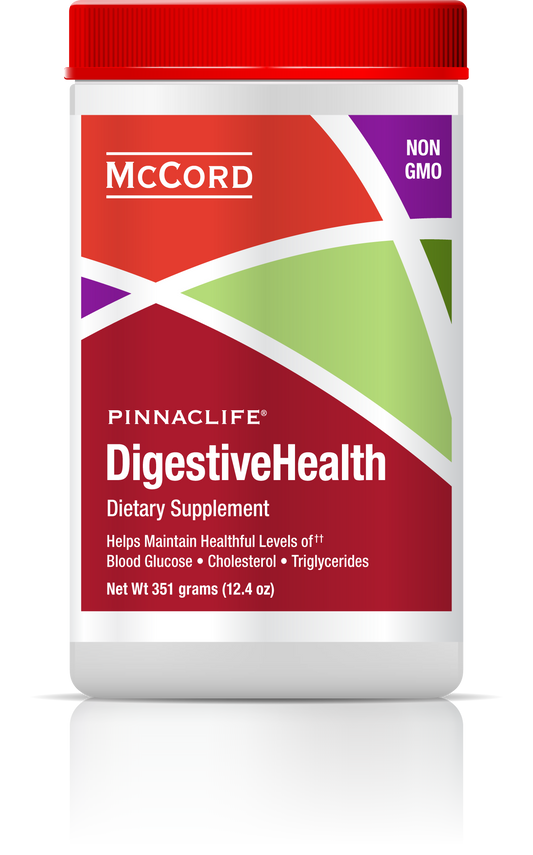
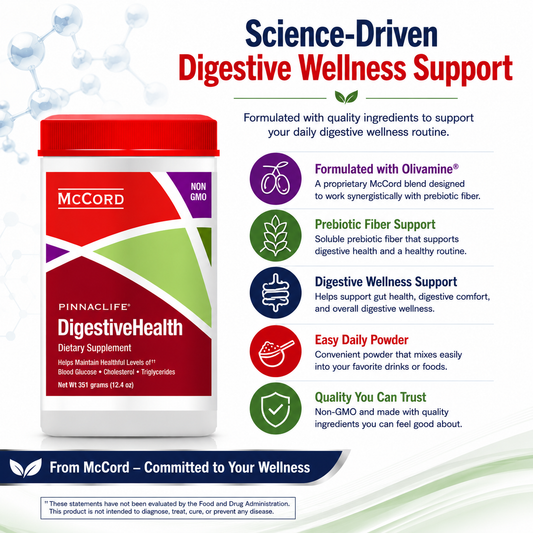
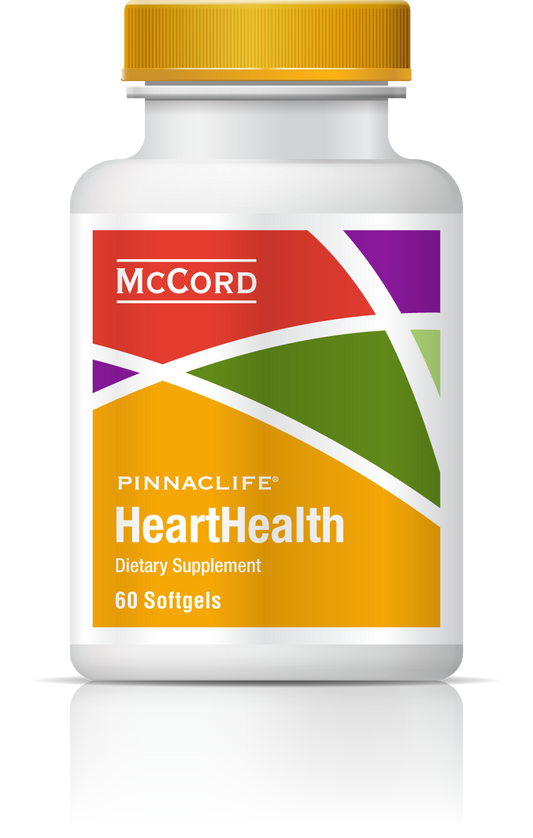
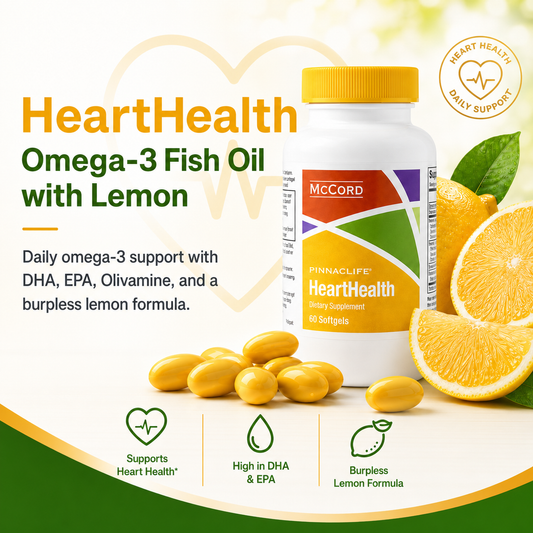
At McCord Health, our Olivamine® blend was developed by Dr. Darlene McCord, a cell biologist and inventor with decades of biomedical research experience. Olivamine® features hydroxytyrosol and oleuropein alongside amino acids and cofactors, designed to work together as a comprehensive antioxidant system. It reflects the same principle the research keeps confirming: concentrated, well-formulated olive polyphenols outperform diluted or generic alternatives.

Olive polyphenols are relevant across multiple body systems: brain health, cardiovascular function, joint support, immune resilience, and metabolic wellness. That multi-system relevance supports a whole-body approach to aging well, rather than targeting one concern at a time. When choosing an olive polyphenol supplement, look for standardized formulations with published research behind them. McCord Health products are trusted and recommended by healthcare professionals, and we always encourage you to consult your own provider when adding a new supplement to your routine.

Back to blog