The Silent Crisis Inside Prediabetic Bodies
According to the CDC's 2026 National Diabetes Statistics Report, 115.2 million American adults have prediabetes. That's more than 2 in 5 adults, and 8 in 10 of them don't know it.
Prediabetes is often treated as a passive waiting room for type 2 diabetes, but the reality is far more urgent. Inside prediabetic bodies, an active oxidative and inflammatory crisis is already underway. Oxidative stress, the imbalance between reactive oxygen species (ROS) and the body's antioxidant defenses, is quietly driving cellular damage long before a formal diabetes diagnosis.
Research shows that oxidative biomarkers like malondialdehyde (MDA) and nitric oxide are significantly elevated in prediabetic adults compared to those with normal blood sugar. The damage starts early. Here, we examine what the latest clinical science says about hydroxytyrosol (HT), an olive-derived polyphenol, and its potential to protect at-risk adults at the cellular level. This is precisely the kind of research that drives our work at McCord Health, founded by cell biologist and inventor Dr. Darlene McCord, whose decades of biomedical research underpin every formulation we create.
How Oxidative Stress Drives Prediabetes Progression
At the cellular level, when ROS production overwhelms the body's antioxidant defenses, the excess free radicals impair insulin signaling and damage pancreatic beta cells, the cells responsible for producing insulin. Once they're compromised, the path from prediabetes to type 2 diabetes accelerates.
The numbers are sobering. Research using a composite oxidative stress score (OSS) found that elevated oxidative burden was associated with a 2.27-fold increased risk of prediabetes and type 2 diabetes, a stronger predictor than any single oxidative biomarker alone. A 2025 NHANES-based analysis of nearly two decades of U.S. population data confirmed that higher antioxidant dietary and lifestyle exposure is significantly associated with lower prediabetes prevalence.
Without intervention, people with prediabetes face approximately a 74% chance of progressing to type 2 diabetes. The economic toll is substantial: diagnosed diabetes already costs the U.S. an estimated $412.9 billion annually in medical expenses and lost productivity.
To understand how hydroxytyrosol fits into this picture, it helps to know the specific biomarkers researchers track in prediabetic populations:
- oxLDL (oxidized LDL): the oxidized form of "bad" cholesterol, linked to arterial damage
- Protein carbonyls: markers of protein damage caused by oxidative stress
- 8-OHdG: a marker of oxidative DNA damage
- IL-6: a pro-inflammatory cytokine that fuels systemic inflammation
These biomarkers became the primary endpoints in the clinical trial examined below.
What Is Hydroxytyrosol and Why Does It Matter?
Hydroxytyrosol is a polyphenol found naturally in olives and extra virgin olive oil. It is one of the key compounds behind the well-documented health benefits of the Mediterranean diet, but what sets it apart from other plant-based antioxidants is its molecular structure.
Hydroxytyrosol contains an ortho-dihydroxyphenyl (catechol) group. This chemical feature gives it exceptional redox activity, making it unusually effective at neutralizing free radicals across multiple organ systems. A 2026 review published in Springer Nature described hydroxytyrosol as a "multitarget pharmacological agent" with antioxidant, anti-inflammatory, antidiabetic, and antiatherosclerotic properties.
Hydroxytyrosol does more than scavenge free radicals directly. It activates the Nrf2 antioxidant pathway, a master regulatory system that upregulates the body's own antioxidant enzymes, including glutathione peroxidase, glutathione reductase, and glutathione S-transferase. This means HT amplifies your internal defenses rather than simply adding external antioxidant molecules.
The European Food Safety Authority (EFSA) has approved a health claim confirming that olive oil polyphenols, including hydroxytyrosol, contribute to the protection of blood lipids from oxidative stress. The minimum effective dose recognized by EFSA is just 5 mg per day. For healthcare professionals evaluating supplement recommendations, that regulatory endorsement carries significant weight.
The 2025 Clinical Trial: What the Research Actually Found
In 2025, Moratilla-Rivera and colleagues published a randomized, double-blind, placebo-controlled trial in Clinical Nutrition. This is the gold standard of clinical evidence, and it is one of the first RCTs to isolate hydroxytyrosol supplementation specifically in a prediabetic population.
The study enrolled 49 overweight adults (BMI 25 to 30) between the ages of 40 and 70, all with confirmed prediabetes (fasting plasma glucose of 100 to 126 mg/dL and/or HbA1c of 5.7% to 6.4%). Participants received either 15 mg of isolated hydroxytyrosol per day or a placebo for 16 weeks. Critically, the intervention was a standalone HT supplement, not extra virgin olive oil consumption.
Results were statistically significant across seven biomarkers of oxidative stress and inflammation. The HT group showed meaningful reductions in oxLDL, protein carbonyls, 8-OHdG, and the pro-inflammatory cytokine IL-6.
Equally notable was the safety profile. Zero adverse effects were recorded in either group over the entire 16-week period. Compliance was verified through urinary HT-3′-sulfate levels, confirming that participants were absorbing and metabolizing the supplement. For anyone evaluating hydroxytyrosol supplementation, this combination of efficacy and safety data is genuinely compelling.
Beyond Free Radicals: The Metabolomics Angle
A 2026 companion study extended the analysis using metabolomics. Researchers found that hydroxytyrosol modulates arachidonic acid metabolism and purine catabolism in prediabetic individuals. In practical terms, HT doesn't just neutralize free radicals; it reshapes metabolic pathways linked to inflammation and cellular energy regulation.
This cutting-edge mechanistic evidence differentiates hydroxytyrosol from generic antioxidant supplements that work through a single pathway. For both health-conscious consumers and the healthcare professionals who advise them, this level of molecular insight signals that HT operates on a fundamentally different level than a standard vitamin C or E supplement.
Who Should Consider Hydroxytyrosol Supplementation?
The clinical trial population offers a clear profile: overweight adults between 40 and 70 with fasting glucose or HbA1c values in the prediabetic range. Given that 8 in 10 people with prediabetes are unaware of their condition, proactive supplementation is also relevant for those who haven't received a formal diagnosis but recognize they carry risk factors.
Hydroxytyrosol supplementation is complementary to, not a replacement for, lifestyle changes. Research consistently shows that 150 minutes per week of physical activity can lower the risk of progressing to type 2 diabetes by 58%. Diet, exercise, and regular glucose monitoring remain foundational.
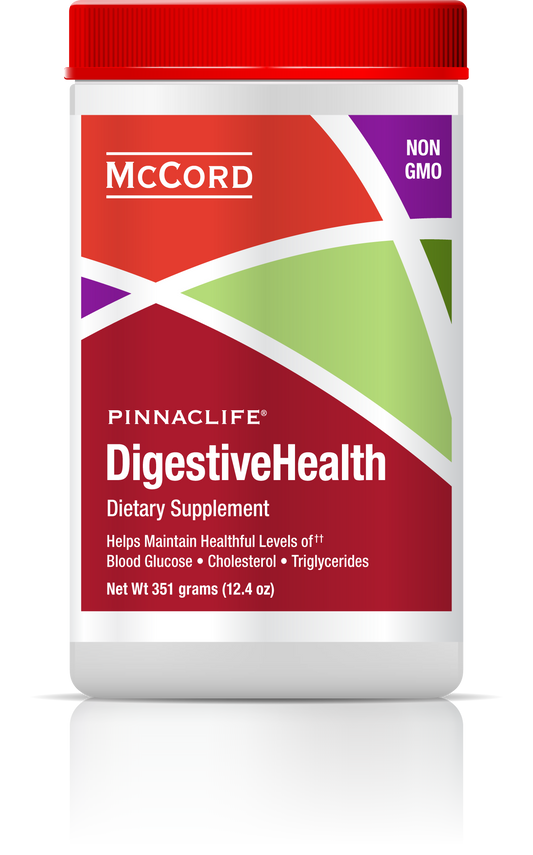
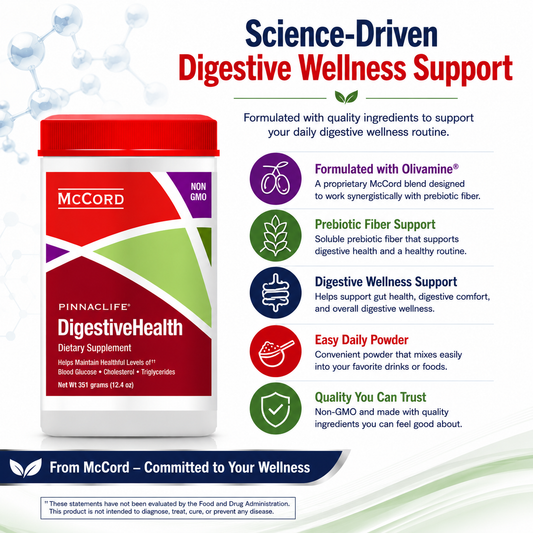
At McCord Health, our patented Olivamine® blend features hydroxytyrosol and oleuropein from olive-derived polyphenols, combined with amino acids and cofactors. This formulation was developed by Dr. Darlene McCord based on decades of antioxidant and olive polyphenol research, and it is trusted by healthcare professionals who recommend supplements to their patients.
If you are managing blood sugar or taking medications, we always recommend consulting your healthcare provider before adding any supplement to your routine.
Taking Action Before the Diagnosis: A Practical Perspective
Prediabetes is not a passive condition. It is an active oxidative crisis, and the 2025 randomized controlled trial provides the strongest clinical evidence to date that hydroxytyrosol can help protect at-risk adults at the cellular level.
The most effective approach combines HT supplementation with dietary improvements, regular physical activity, and consistent glucose monitoring. With more than 470 million people worldwide projected to have prediabetes by 2030, early, evidence-based intervention is both a personal health decision and a public health priority.
Explore McCord Health's Olivamine®-based supplements and talk with your healthcare provider about whether hydroxytyrosol belongs in your daily wellness routine. The science is clear. The time to act is before the diagnosis.