Some foods naturally contain enzymes, but digestive health is more complex than adding one “enzyme-rich” food to your diet. Your own digestive system produces enzymes that help break down carbohydrates, proteins, and fats, and foods can contribute additional enzymes or other components that support a balanced diet.
What are digestive enzymes?
Digestive enzymes are proteins that help break larger food molecules into smaller components the body can absorb. Different enzymes act on different nutrients. For example, amylases act on starches, proteases act on proteins, and lipases act on fats.
The body produces many of these enzymes in the mouth, stomach, pancreas, and small intestine. Enzyme activity is only one part of digestion; fiber, fluid intake, food choices, gut motility, and the intestinal microbiome also matter.
Foods commonly discussed for natural enzymes
Several foods contain naturally occurring enzymes, particularly when fresh or minimally processed:
- Pineapple contains bromelain, a group of protein-digesting enzymes.
- Papaya contains papain and related proteolytic enzymes.
- Kiwi contains actinidin, another protease studied for its effects on food proteins.
- Fermented foods contain enzymes produced during fermentation, although amounts and activity vary by product.
Heat and processing can reduce enzyme activity, so the amount present in a food does not necessarily remain constant from farm to plate.
Can eating these foods “fix” digestion?
That is too broad a claim. A food can be nutritious without acting as a treatment for a digestive disorder. Persistent abdominal pain, significant bloating, unexplained weight loss, blood in the stool, or ongoing changes in bowel habits deserve medical evaluation rather than self-treatment with foods or supplements.
Do enzyme supplements make sense?
Specific enzyme products can be useful in specific situations, but the evidence depends on the enzyme and the reason for using it. A general digestive-enzyme blend should not be assumed to solve every digestive complaint. Check the ingredient names, amounts or activity units, serving directions, and cautions.
Do not overlook fiber
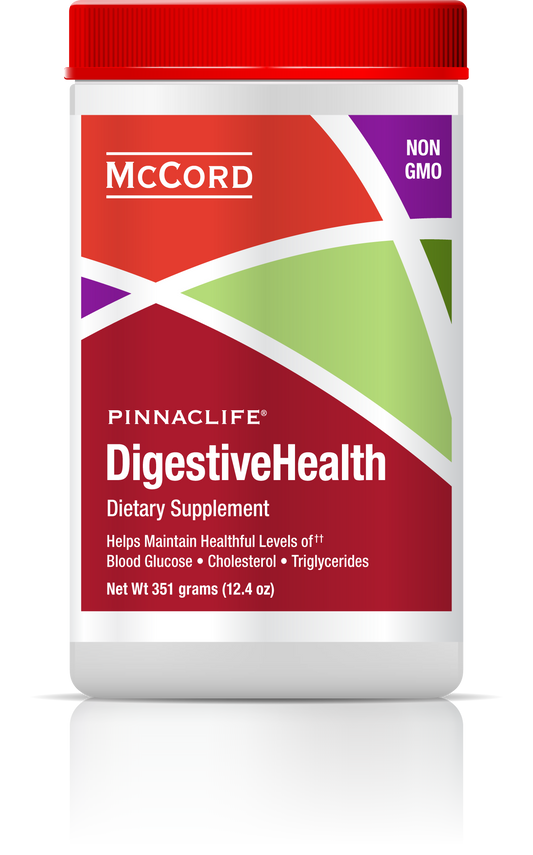
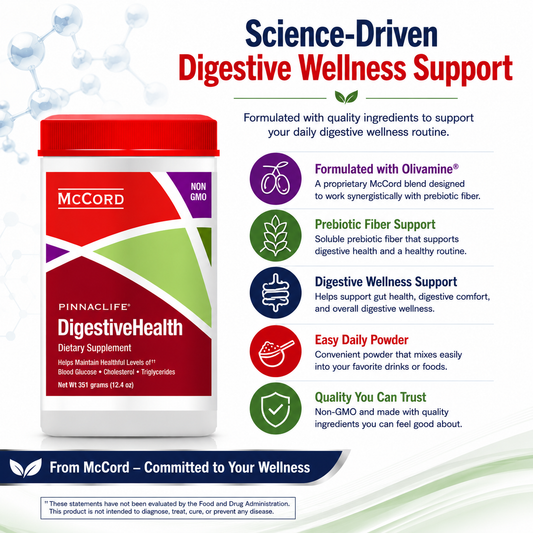
For everyday digestive wellness, fiber remains an important dietary component. Different fibers influence stool bulk, regularity, fermentation, and the gut microbiome in different ways. If your goal is to increase daily fiber intake, see DigestiveHealth or browse our Digestive & Immune Support collection.
Bottom line
Foods such as pineapple, papaya, and kiwi contain naturally occurring enzymes, but digestion depends on the entire digestive system and overall diet. Choose enzyme-rich foods because they fit a nutritious eating pattern—not because a single food is expected to correct a medical problem.
This article is for general educational purposes and is not medical advice. Dietary supplements are not intended to diagnose, treat, cure, or prevent disease. Talk with a qualified healthcare professional about persistent digestive symptoms or before beginning a new supplement.