In today’s fast-paced world, many people are searching for ways to boost their mental well-being. With numerous options available, vitamin supplements often come into consideration. But can they really make a difference? In this FAQ, we’ll explore the role of vitamin supplements in mental health, and provide insights into how they might offer support.

What Role Do Vitamins Play In Mental Health?
Vitamins are crucial for a range of bodily functions, including brain health. Essential vitamins like B-complex, D, C, and E can play a part in maintaining brain function and mood regulation.
One of the key roles vitamins play is in the production of neurotransmitters, the brain’s chemical messengers. For example, B-complex vitamins assist in the production of serotonin and dopamine, which are closely linked to mood and mental clarity.
In addition, antioxidants like Vitamin E help protect brain cells from oxidative stress, potentially safeguarding against cognitive decline. This protection is vital as we age, where mental health challenges, including memory loss, become more prevalent.
Yet, the effectiveness of vitamins on mental health isn’t purely from isolated supplements. It’s synergistic, involving complex interactions between nutrients which are best derived from a well-rounded diet.
Which Vitamins Are Often Considered For Mental Well-being?
B-complex vitamins, particularly B6, B9, and B12, are vital for cognitive function and emotional stability. Vitamin D is linked to mood regulation, while Omega-3 fatty acids support brain health.
Vitamin C, often associated solely with immune support, actually contributes to neurotransmitter synthesis as well, reinforcing the nervous system. Its antioxidant properties further protect the brain from damage-related stress.
Other supplements gaining attention include Magnesium, which calms the nervous system, and Zinc, which can improve mood and support stress management.
It’s also worth mentioning herbal supplements like Ginkgo Biloba and St. John’s Wort, which some studies suggest may enhance mental clarity and mood.
Do Vitamin Deficiencies Impact Mental Health?
Yes, deficiencies in certain vitamins, like B12 and D, have been associated with symptoms like depression and fatigue. Ensuring adequate intake can be crucial for mental well-being.
A shortage of B12, for instance, impairs brain function and can lead to cognitive impairments and mood disorders, which is why it’s crucial for those with dietary restrictions that limit B12 intake, such as vegans, to consider supplementation.
Vitamin D deficiency has increasingly been linked to seasonal affective disorder (SAD) and depressive symptoms, especially in regions with less sunlight. Supplementing appropriately can help mitigate these effects.
Beyond these, even mild deficiencies in iron and folate can affect mood and mental processes, highlighting the importance of a varied and nutrient-rich diet.
How To Safely Incorporate Supplements Into Your Routine
Consulting with a healthcare professional is essential before starting any supplement. They can offer personalized recommendations based on individual health needs and prevent potential interactions with other medications.
Understanding dosage and quality is key. Not all supplements are created equal, and adhering to recommended doses ensures safety and efficacy.
Consider sourcing vitamins from whole foods as much as possible, using supplements only to fill in any nutritional gaps rather than as primary sources of nutrients.
Regularly reviewing your supplement regimen with a healthcare provider ensures that any changes in health, diet, or lifestyle are taken into account, making your approach to mental wellness as effective as possible.
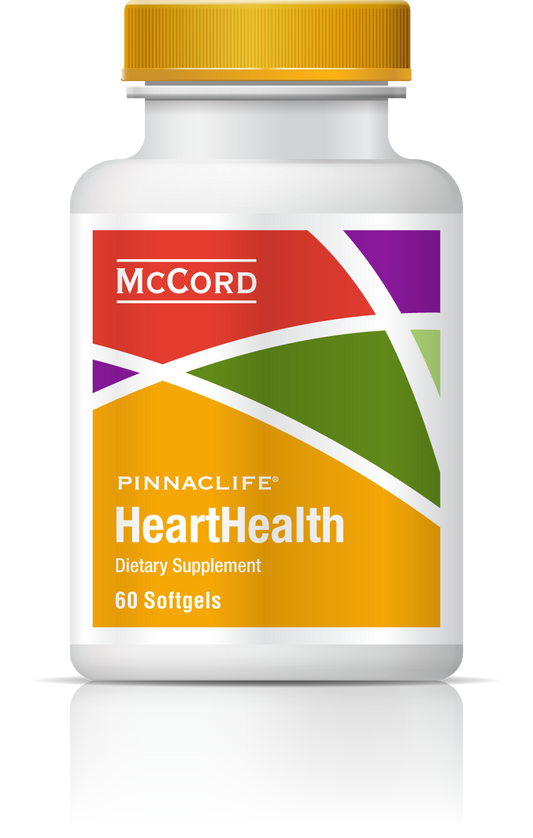
Mccord Health offers advice on maintaining a balanced approach to health. Learn more about the benefits of nutritional supplements from our resources.
Wrapping Up: Vitamins and Mental Wellness
While vitamin supplements can potentially support mental well-being, they are not a replacement for a healthy lifestyle or professional treatment for mental health issues. It’s important to approach supplementation thoughtfully, ideally under the guidance of a healthcare provider, and always prioritize a balanced diet and regular mental health practices.